Tired-looking eyes, dark circles, and crepey skin are some of the hardest things to fix with skincare alone.
Polynucleotides have become one of the most talked-about treatments for the under-eye area, promising smoother, brighter, better-quality skin. Before you book, it is worth understanding what polynucleotides under the eyes actually do and what results are realistic. This guide explains the science in plain terms, what a session involves, how long results last, and the cost.
Do Polynucleotides Work Under the Eyes?
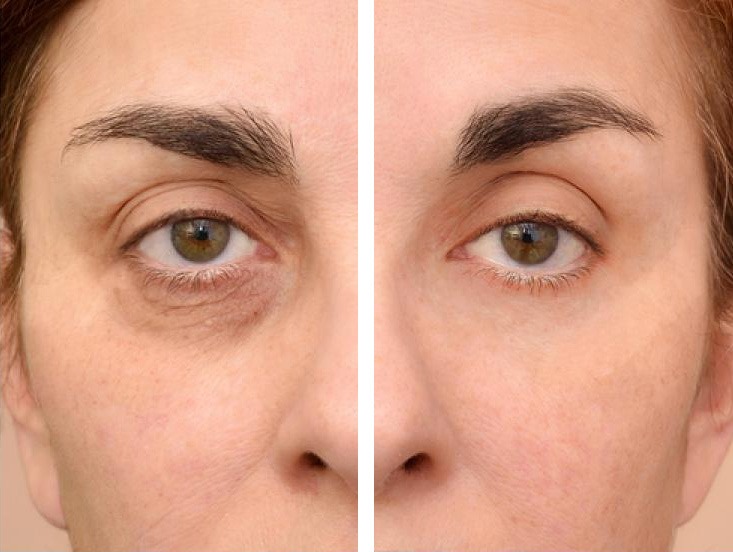
Polynucleotides under the eyes can genuinely improve the quality of the skin, though they work gradually rather than instantly. Rather than filling or plumping like a filler, they stimulate the skin’s own repair processes. Over a course, this softens fine lines, improves hydration, and reduces the look of dark circles. They work best on thin, crepey, or shadowed under-eye skin, and results build over several weeks. They are not a one-off fix or a cure for every type of dark circle. But for the right candidate, they can make a visible, natural-looking difference.
What Are Polynucleotides and How Do They Work?
Polynucleotides are fragments of purified DNA, usually derived from fish, suspended in a gel and injected into the skin. Once in place, they stimulate cells called fibroblasts. This encourages the skin to produce more collagen and elastin, and to hold more moisture. The result is firmer, more hydrated skin over time, rather than an instant change in volume.
Note: Polynucleotides are a regenerative treatment, not a filler. They improve the skin itself rather than adding volume to hollows. That is why a course is usually needed, and why results appear gradually.
How Polynucleotides Differ From Dermal Fillers
A dermal filler adds volume under the skin to lift a hollow or tear trough straight away. Polynucleotides instead work with your own tissue, improving skin thickness, tone, and hydration over a course. The two can be complementary, and a practitioner can advise which one suits you.
What Does Under-Eye Polynucleotide Treatment Involve?
An under-eye polynucleotide treatment is a quick, minimally invasive procedure done in clinic. A typical session looks like this:
- A numbing cream is applied to the under-eye area for around 15 minutes.
- The polynucleotide gel is injected with a very fine needle or a cannula.
- A few small injection points are used along each under-eye area.
- The whole appointment usually takes around 30 to 45 minutes.
The treatment is part of facial aesthetics care. It should always be carried out by a trained, qualified professional, after a proper assessment of your skin.
Find out more about polynucleotides on our polynucleotide treatment page.
Polynucleotides Under Eyes: What to Expect Immediately After
There is usually very little downtime. Immediately after under-eye polynucleotide treatment, you may notice small raised bumps at the injection points. These settle within a few hours, along with mild redness or tenderness.
Some swelling or minor bruising is possible for a few days under the delicate eye skin. A cannula technique can help reduce this. Most people return to normal activities straight away. It is sensible to avoid make-up, exercise, and alcohol for the first 24 hours. Your practitioner will give tailored aftercare advice.
Helpful Tip: A cool compress in the first day or two can help minor swelling or bruising settle faster, but check with your practitioner first.
When Will You See Results (and How Long Do They Last)?
Under-eye polynucleotide results build gradually rather than overnight. Many people notice brighter, smoother skin two to four weeks after their first session. The fuller effect develops once a course of two to three sessions, spaced three to four weeks apart, is complete.
Results commonly last around six to twelve months, after which a top-up can maintain the improvement. Results vary with your skin, age, and concern.
Expert Tip: Book your course so the final session is at least a month before an important event. Because polynucleotides work gradually, the skin looks its best a few weeks after treatment.
Polynucleotides vs Tear-Trough Filler for Under Eyes
Polynucleotides and tear-trough filler solve different problems, so the right choice depends on your concern:
- Tear-trough filler: adds volume to lift a hollow or deep shadow under the eye, with a more immediate change.
- Polynucleotides: improve the quality, thickness, and hydration of thin or crepey under-eye skin over a course, with a gradual, natural result.
- Combined approach: some people benefit from filler for volume and polynucleotides for skin quality, with the balance decided case by case.
For dark circles caused by thin, shadowed skin rather than lost volume, polynucleotides under the eyes are often the more suitable starting point. But only an in-person assessment can confirm what will help.
How Much Does Under-Eye Polynucleotide Treatment Cost?
At our North London clinic, under-eye polynucleotide treatment starts from £250 per area, per session. The under-eye area is usually counted as a single treatment area. The final price is confirmed at your consultation. A course of two to three sessions is usually recommended for the best result. Plan around the full course, not a single visit. Prices vary across UK clinics and run higher at premium specialist practices. A consultation gives you a personalised quote based on your skin, goals, and the sessions advised, so you know the full cost up front.
Polynucleotides Under Eyes in North London at Dental Artistry
At Dental Artistry in North London, under-eye polynucleotide treatment is carried out by our facial aesthetics practitioner. She works from a full assessment of your skin and concerns. From there, she will explain whether polynucleotides, a filler, or a combination will help most. She can also advise on our other facial aesthetics treatments, such as anti-wrinkle injections, where useful. In our experience, polynucleotides help most when dark circles come from thin, crepey skin rather than deep hollows.
Helpful Tip: Bring a make-up-free photo of your under-eye area from a few weeks ago. It helps the practitioner see your usual skin and track progress through the course.
Frequently Asked Questions
These quick answers cover the questions patients ask us most about polynucleotides under the eyes and what results to expect.
Do polynucleotides really work under the eyes?
Yes, for the right candidate they can visibly improve skin quality, hydration, and the look of dark circles, though results build gradually over a course rather than appearing instantly.
How many polynucleotide sessions do I need under my eyes?
Most people need a course of two to three sessions, spaced around three to four weeks apart, with the full benefit developing once the course is complete.
What can I expect immediately after under-eye polynucleotides?
You may see small bumps at the injection points that settle within hours, plus mild redness, tenderness, or minor bruising for a few days under the delicate eye skin.
Are polynucleotides better than tear-trough filler for dark circles?
Neither is simply better, as they do different jobs. Polynucleotides improve thin, shadowed skin, while filler adds volume to a hollow, so the right choice depends on your concern.
How long do under-eye polynucleotide results last?
Results commonly last around six to twelve months once a course is complete, after which a top-up session once or twice a year helps maintain the improvement.
How much do polynucleotides under the eyes cost?
Treatment at the clinic starts from £250 per area, per session, and most people have a course of two to three sessions, with a personalised quote given at consultation.
Is there much downtime after under-eye polynucleotides?
Downtime is usually minimal. Most people return to normal activities straight away, though it is best to avoid make-up, exercise, and alcohol for the first 24 hours.
Do polynucleotides help dark circles or just fine lines?
They can help both, especially dark circles caused by thin, crepey skin, by improving skin quality, hydration, and thickness rather than only smoothing fine lines.
Polynucleotides Under Eyes: What to Remember
Polynucleotides under the eyes are a regenerative treatment, not a quick filler-style fix. Over a course, they improve thin, shadowed under-eye skin by working with your own repair processes. For the right candidate, they soften fine lines, boost hydration, and reduce the look of dark circles. The results are natural and build over several weeks rather than appearing on the day, so a little patience is part of the process.
What this means for you:
- What they do: stimulate your own collagen and hydration to improve skin quality, not add volume
- Best for: thin, crepey, or shadowed under-eye skin rather than deep hollows
- Course: usually two to three sessions, three to four weeks apart
- Results: build gradually and commonly last six to twelve months
- Cost: from £250 per area, per session, with a course of treatments usually advised
If tired under-eye skin is bothering you, a consultation with a qualified practitioner is the safest way forward. A proper assessment shows whether your dark circles come from thin skin or from lost volume, and that decides whether polynucleotides, a filler, or a combination will help most. From there you get a realistic plan, a clear cost, and an honest view of what to expect.
Book an Under-Eye Polynucleotide Consultation at Dental Artistry
If dark circles or crepey under-eye skin are troubling you, an assessment is the first step. At Dental Artistry in North London, our facial aesthetics practitioner will examine your under-eye area. She will explain whether polynucleotides suit your concern, and set out a clear plan and cost. Book your consultation here and we will talk you through your options.
Information Sources
Periorbital polynucleotide injections study (PMC)
Polynucleotide skin rejuvenation assessment (PMC)
Cosmetic procedures: what to consider (NHS)