Teeth grinding—known clinically as bruxism—affects up to one in ten UK adults.
The constant clenching wears enamel, triggers morning headaches, and places heavy stress on the temporomandibular joints (TMJ). For many patients, standard remedies such as bite guards or physiotherapy provide only partial relief.
Increasingly, the newest treatment for TMJ is a muscle-targeted approach: Botox injections into the masseter and temporalis muscles. Botox for teeth grinding helps by relaxing overactive fibres, Botox can ease pain, protect teeth, and even slim a bulky jawline.
This guide answers the key questions on effectiveness, procedure details, cost considerations, and cosmetic side-benefits—so you can decide whether this non-surgical option belongs in your bruxism or TMJ care plan.
Can Botox Help TMJ Disorder?
Temporomandibular joint (TMJ) disorder spans a spectrum of symptoms—from dull ear-area ache to sharp, lock-jaw spasms—because it involves both the hinge joints and the chewing muscles that power them. While arthritis, trauma or misaligned teeth can initiate trouble, one common thread is an overactive masseter muscle. This thick jaw muscle clamps shut whenever we chew—but in TMJ sufferers it contracts too forcefully or too often, especially during unconscious grinding at night.
Botox (botulinum toxin A) works by weakening these hyperactive fibres just enough to break the pain cycle. Injected in carefully calibrated units, the toxin blocks the nerve signals that trigger strong contraction. Within a fortnight, studies show:
- Reduced bite force and joint loading
- Fewer tension-type headaches
- Easier mouth-opening and chewing comfort
Because the drug acts only on muscle, the jaw joint itself remains unchanged—no cartilage, disc or bone is altered. Rather than a one-shot cure, Botox gives the irritated joint a rest period in which inflamed tissues can settle. Most clinicians therefore combine injections with stabilising splints, physiotherapy or stress-management to maximise long-term relief.
Beyond pain reduction, the softer muscle exerts less grinding pressure, protecting enamel from further wear. Repeated courses can even slim an enlarged masseter, refining a square jawline while preserving normal chewing function. In short, Botox offers a dual therapeutic and aesthetic lift for suitable TMJ and bruxism patients when delivered as part of a comprehensive care plan.
Botox for Teeth Grinding (Bruxism): Procedure Guide
Before committing to treatment, it helps to know exactly how each stage unfolds. Below is a step-by-step pathway followed in most UK clinics, showing how your practitioner moves from diagnosis to after-care.
- Consultation & Assessment
A clinician examines your bite, palpates the masseter muscles, and may ask for sleep-partner feedback or data from a bruxism-tracking app to gauge night-time activity. - Treatment Planning
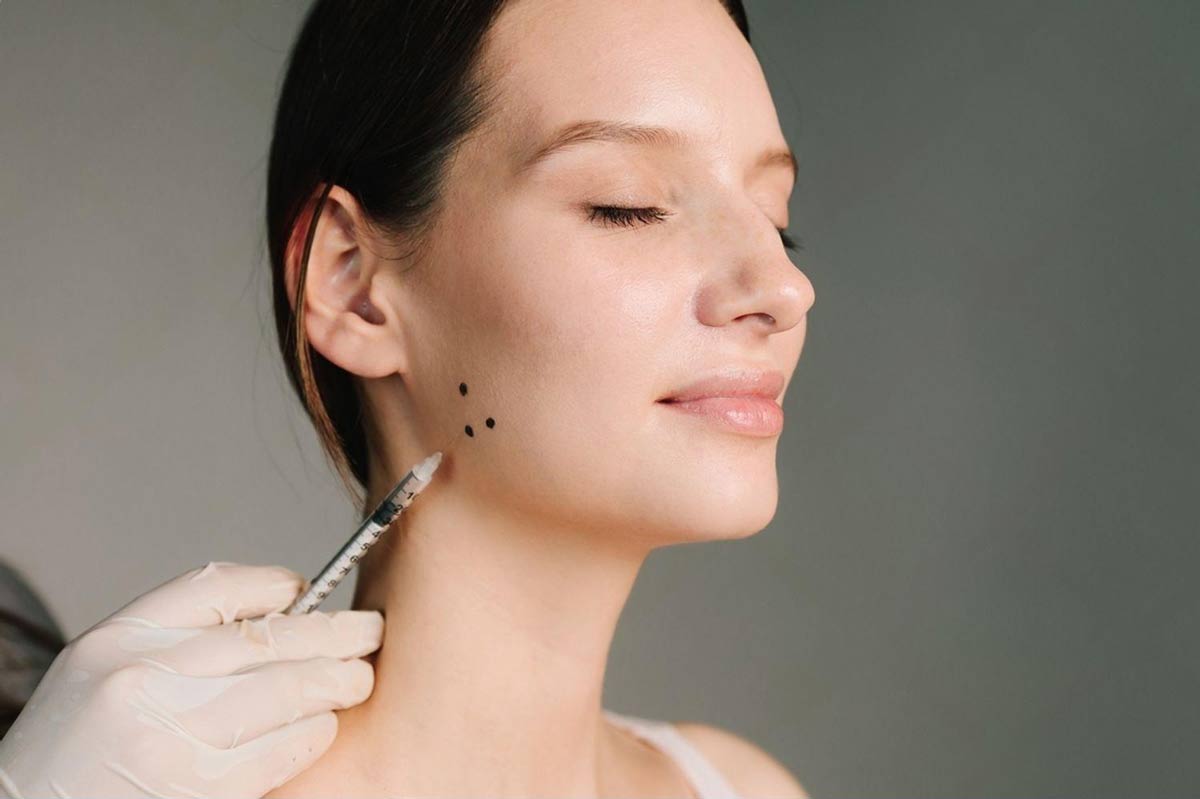
Dosage is matched to muscle thickness—typically 20–30 units per masseter, with smaller aliquots in the temporalis. Injection points are marked while you clench so the practitioner can feel precisely where the muscle bulges. - The Injection Session
Using micro-fine needles, Botox is placed into the belly of each muscle. The procedure lasts about 15 minutes and is usually comfortable enough to perform without local anaesthetic. - After-care & Timeline
Mild chewing fatigue can occur for 24 hours. Early relief often starts by day 4, with peak relaxation at two weeks and effects lasting three to six months. Repeat appointments gradually “train” the muscle to remain calmer between visits.
Taken together, these stages form a streamlined, low-downtime pathway—allowing you to return to daily life almost immediately while setting the foundations for long-term relief from clenching and grinding.
Botox for TMJ: What to Expect Before & After
Before treatment you may notice square jaw angles, morning neck stiffness, or tiny chips at the biting edges. Your practitioner will photograph the lower face and record bite strength with a force gauge.
After treatment most patients report lighter jaw movement and fewer clenching episodes during sleep. Subtle facial changes develop over eight to twelve weeks as the masseters soften: cheeks appear slightly narrower and the jawline loses its bulky outline.
Follow-up reviews every four to six months fine-tune the dosage for lasting comfort and aesthetics.

Cost of Botox Treatment for Teeth Grinding in the UK
Fees vary by clinic location, injector expertise and the total units required, but a realistic budget is:
- Initial session – from £250 for mild cases requiring lower dosages
- Moderate to severe bruxism – often £350 – £450 to treat both masseters and temporalis muscles
- Review or top-up appointments – priced per unit or as a package discount
Remember to factor in consultation fees, follow-up assessments, and any adjunctive therapies such as bite guards. Most patients find that two sessions a year strike the right balance between symptom control and cost.
Additional Cosmetic Benefits: Facial Contouring
Persistent clenching can cause the masseters to hypertrophy, creating a square lower face. By relaxing these overworked muscles, Botox gradually reduces their bulk, producing a softer, slimmer jawline without surgery. The effect is especially popular among patients who prefer a more tapered, feminine contour. Over several treatment cycles, the jaw angle smooths, facial harmony improves, and tension-related discomfort continues to decline—delivering both therapeutic and aesthetic rewards.
TMJ Botox London: Dental Artistry Clinic
Located in North London, Dental Artistry Clinic provides Botox treatment for bruxism through clinicians who combine advanced facial-aesthetics training with restorative-dentistry expertise. From your first consultation onward, every aspect of care is customised: dosage is calibrated to your muscle strength, injection points are mapped to your unique facial anatomy, and follow-up appointments are timed to keep relief continuous.
We use digital bite analysis to pinpoint clenching patterns and ultra-fine needles for precise placement, delivering subtle, natural-looking results with virtually no downtime.
If you’re ready to ease jaw tension, protect your teeth and restore facial comfort, arrange an initial consultation with our team and take the next step toward long-lasting relief.
Summary: Key Takeaways
- Botox for teeth grinding relaxes overactive jaw muscles, relieving pain and limiting enamel wear.
- Benefits extend to TMJ sufferers, with studies showing reduced joint strain and improved opening range.
- The procedure is quick, repeatable, and usually delivers three to six months of relief.
- Typical UK costs range from £250 to £450 per session, depending on muscle size and units used.
- A welcome side effect is gradual masseter slimming, leading to a refined lower-face contour.
Interested in lasting relief from clenching and jaw tension? Book a consultation with Dental Artistry Clinic, North London, to discuss a bespoke Botox plan that protects your teeth and reshapes comfort—one relaxed muscle at a time



You must be logged in to post a comment.