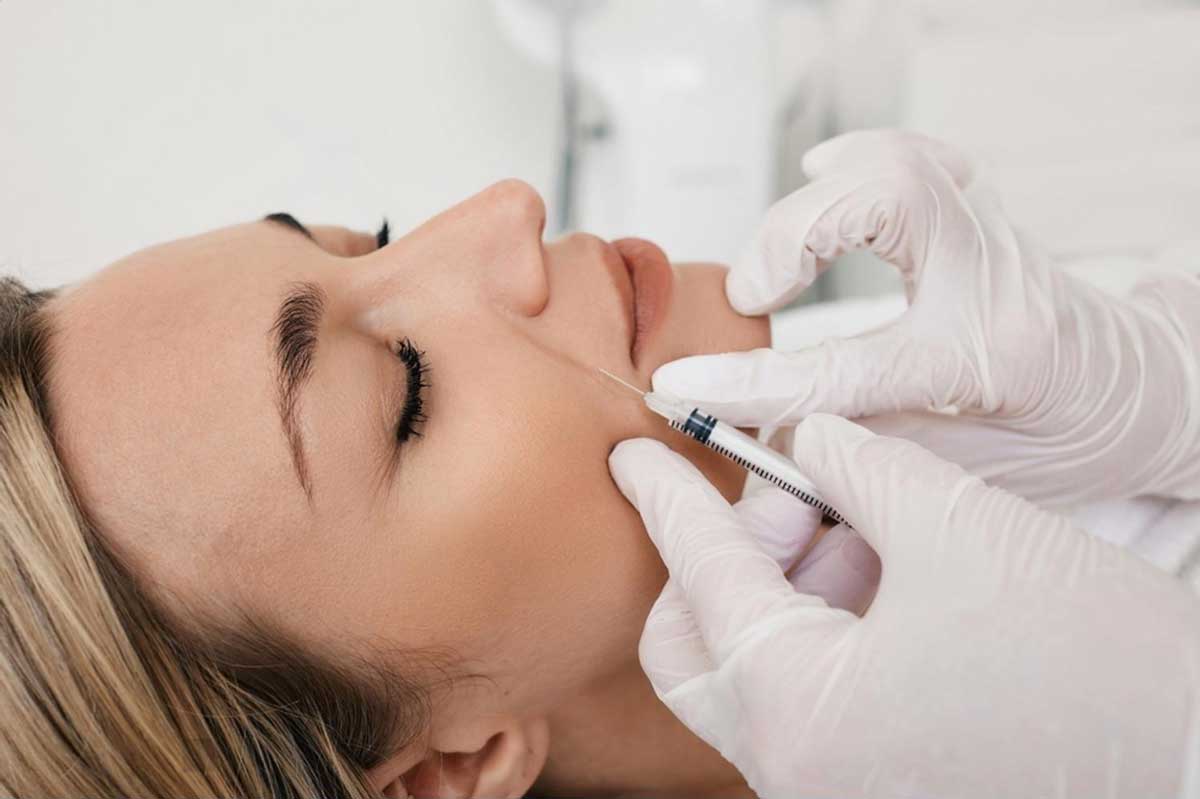
Nasolabial lines, commonly known as smile lines or laugh lines, are the creases that run from the sides of the nose to the corners of the mouth.
Over time, these lines become more prominent due to ageing, loss of facial volume, and repeated muscle movements. Many individuals seek non-surgical treatments to reduce their appearance, with dermal fillers and Botox being the most common options.
This guide will cover how nasolabial lines filler works, when Botox might be used, costs, longevity, and what to expect from treatment. By the end, you’ll have a clear understanding of both treatment options and which might suit your needs.
How Does Nasal Lines Filler Work?
Nasolabial lines filler is a hyaluronic acid-based injectable that helps to plump the skin and reduce the depth of smile lines.
What Causes Nasolabial Lines?
These lines deepen due to several factors:
- Ageing – Collagen and elastin production decreases, leading to loss of skin elasticity.
- Volume Loss – The fat pads in the cheeks gradually diminish, causing the skin to sag and folds to appear deeper.
- Repeated Expressions – Smiling, talking, and other facial movements contribute to the formation of lines.
- Sun Damage & Lifestyle Factors – UV exposure, smoking, and dehydration accelerate skin ageing, making lines more visible.
How Do Dermal Fillers Help?
Dermal fillers restore lost volume and smooth out the skin by injecting a gel-like substance beneath the surface. This:
- Lifts and fills the fold, reducing its depth.
- Enhances skin hydration due to hyaluronic acid’s water-retaining properties.
- Stimulates collagen production, leading to longer-lasting improvements.
Types of Fillers Used for Nasolabial Lines
Commonly used fillers for nasolabial folds include:
- Juvederm Ultra 2, 3, and 4 – Adds volume and smooths wrinkles.
- Juvederm Volift and Voluma – Provides deeper structural support for more pronounced folds.
- Juvederm Volbella – A softer filler option for subtle improvements.
Treatment results are immediate and typically last 6-18 months, depending on the type of filler used.
Nasolabial Lines Filler or Botox?
Both fillers and Botox can be used for nasolabial folds, but they work differently. The most suitable treatment depends on the cause of the lines and the desired outcome.
When Are Fillers Used for Nasolabial Lines?
Fillers are generally recommended when nasolabial lines are caused by:
- Volume loss in the cheeks leading to sagging skin.
- Deep static folds that are visible even when the face is at rest.
- A loss of skin plumpness due to collagen depletion.
By restoring volume, fillers lift the skin and smooth out deeper wrinkles, making them a common choice for moderate to severe nasolabial lines.
When Is Botox Used for Nasolabial Lines?
Botox works by relaxing muscles, so it may be used when:
- Muscle activity is making the lines appear more pronounced.
- The upper lip lifts excessively when smiling, exaggerating the depth of the fold.
- Preventing further deepening of dynamic wrinkles.
Botox injections reduce excessive facial movements that may worsen nasolabial folds over time. However, it does not add volume, so it is not typically used for deep-set lines unless combined with fillers.
Can You Combine Fillers and Botox?
In some cases, a combination of Botox and fillers is used. Botox softens muscle activity, while fillers restore lost volume, providing a more balanced and natural look. A consultation with a professional will determine if a combined approach is suitable.
Botox for Nasolabial Lines
Botox (botulinum toxin) is a muscle relaxant that temporarily reduces movement in targeted areas.
For nasolabial lines, Botox may be injected into muscles that pull the skin inward, softening the fold. This can be useful in cases where:
- Strong muscle contractions deepen the lines.
- The upper lip moves excessively when smiling, creating a shadow in the nasolabial area.
Limitations of Botox for Nasolabial Lines
- Botox does not restore lost volume.
- It will not be effective for deep-set lines caused by skin laxity or ageing.
- Overuse may alter facial expressions, making the smile appear unnatural.
Nasolabial Lines Filler Cost (UK Prices)
The cost of nasolabial lines filler varies based on several factors, including the type of filler used, the amount required, and the expertise of the practitioner. Since deeper lines often require more product to achieve optimal results, the total price will depend on individual needs.
- Type of Filler Used – Some fillers have a thicker consistency, providing more structural support but often costing more due to their longer-lasting effects.
- Amount Needed – The severity of nasolabial folds determines the amount of filler required. Individuals with mild lines may need only 1ml, whereas those with deeper folds may require 2ml or more for a noticeable improvement.
- Experience and Location of the Practitioner – Highly skilled practitioners with extensive experience may charge higher fees.
Cost Guide for Nasolabial Fillers
| Treatment | Cost |
| Juvederm Ultra, Volift, Volbella, Voluma (1ml) | £300 – £350 |
| Two syringes (2mls) | £550 – £650 |
| Three syringes (3mls) | £750-£850 |
Most clients need at least 2ml of filler for noticeable results.
Price Guide for Botox in Nasolabial Area
| Treatment | Cost |
| One area | £150 – £200 |
| Two areas (for both sides of nasolabial folds) | £250-£300 |
| Three areas (if combined with other facial areas) | £300-£450 |
A consultation is essential to determine how much product is needed for optimal results.
How Long Does Nasolabial Lines Filler Last?
The longevity of nasolabial lines filler varies from person to person and depends on multiple factors. While hyaluronic acid-based fillers typically last between 6 to 18 months, the exact duration can be influenced by several elements, including the type of filler used, individual metabolism, and lifestyle habits.
Factors That Affect Filler Longevity
- Type of Filler Used
Different dermal fillers have varying consistencies and densities. Thicker, more cross-linked fillers tend to last longer as they provide deeper structural support, while softer fillers may break down more quickly. - Metabolism
Each person’s body processes hyaluronic acid at a different rate. Those with faster metabolisms may break down the filler sooner, requiring more frequent touch-ups. - Lifestyle Factors
External influences such as smoking, sun exposure, and hydration levels impact how long fillers last. UV rays and dehydration can accelerate the breakdown of hyaluronic acid, while a healthy skincare routine and good hydration help prolong results. - Placement of the Filler
Fillers injected into areas with less movement (e.g., cheeks) tend to last longer compared to those placed in high-movement areas like the mouth and nasolabial folds, where repeated facial expressions contribute to faster breakdown.
Expected Duration of Fillers
- Juvederm Ultra & Volift: Typically last between 6 to 12 months, offering moderate lift and volume.
- Juvederm Voluma & Volbella: More robust fillers designed for deeper folds, lasting 12 to 18 months.
How to Maintain Longer-Lasting Results
To extend the results of nasolabial lines filler, regular maintenance sessions are recommended before the product fully breaks down. Patients can also enhance longevity by:
- Using high-quality skincare with ingredients like hyaluronic acid and peptides.
- Applying SPF daily to protect against sun-induced filler breakdown.
- Avoiding excessive facial massages that might speed up filler absorption.
- Staying hydrated to keep the skin plump and supple.
Ultimately, the best way to determine how long your filler will last is to consult with an experienced practitioner who can tailor a treatment plan based on your individual needs and lifestyle.
Nasolabial Lines Treatment London
London is a top destination for aesthetic treatments, offering a combination of expertise, safety, and high-quality products. Whether you’re considering nasolabial lines filler or Botox, selecting a reputable clinic ensures the best possible results.
Benefits of Choosing a London Clinic
- Highly Experienced Practitioners – Many London-based injectors have undergone advanced training and extensive experience, ensuring precise, natural-looking results.
- Latest Techniques & Safety Standards – Clinics in London use cutting-edge methods and adhere to strict industry regulations, reducing risks and enhancing outcomes.
- Wide Range of Premium Filler Options – London clinics offer a variety of high-quality dermal fillers, allowing for a customised approach based on the depth and cause of your lines.
- Stringent Hygiene & Safety Protocols – Treatments are performed in sterile, well-regulated environments, lowering the risk of complications.
- Comprehensive Consultation & Aftercare – Practitioners provide detailed assessments, realistic expectations, and post-treatment care, ensuring long-lasting results and patient satisfaction.
Choosing a reputable London clinic gives you the advantage of expert care, premium products, and industry-leading techniques, helping you achieve natural, refreshed results with minimal risks.
Nasolabial Lines Treatment: Finding the Right Solution
Nasolabial lines, commonly known as smile lines, develop due to ageing, volume loss, and repeated facial movements. While some people embrace these natural creases, others seek treatments to reduce their appearance. Two of the most popular options are dermal fillers and Botox, each serving a different purpose.
Fillers work by adding volume beneath the skin, helping to lift and smooth deep folds. They are particularly effective when the primary cause of nasolabial lines is volume loss, as they restore plumpness and reduce sagging. Botox, on the other hand, does not fill lines but instead relaxes muscles that may be pulling on the skin and deepening creases. In cases where muscle movement plays a role in making these lines more prominent, Botox can help soften their appearance.
Some individuals may benefit from a combination of both treatments. Fillers restore lost volume, while Botox can be used to reduce excessive muscle activity in the area, providing a more balanced and natural result. The choice between Botox and fillers depends on the underlying cause of the lines, which is best assessed by an experienced practitioner.
Interested in getting rid of your nasolabial lines? Book a consultation today to discuss the best treatment options for your needs.